
Description
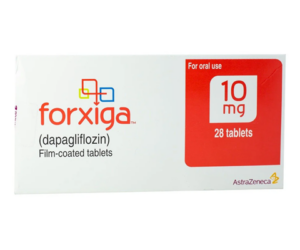
Dapaveldactin 10 mg 28 tablets
Composition:
Each film-coated tablet contains:
Active ingredient:
Dapagliflozin propanediol monohydrate 12.30 mg equivalent to 10 mg dapagliflozin.
Inactive ingredients:
Lactose, microcrystalline cellulose, croscarmellose sodium, colloidal silicon dioxide, magnesium stearate, hypromellose, titanium dioxide, macrogol, colorants.
Description:
Dapaveldactin is an oral sodium-glucose co-transporter 2 (SGLT2) inhibitor used to improve glycemic control in adults with type 2 diabetes mellitus and to reduce the risk of cardiovascular and renal complications.
It works by promoting urinary glucose excretion, thereby lowering blood glucose levels, improving heart function, and protecting renal function in chronic kidney disease.
Indications for use:
– As an adjunct to diet and exercise to improve glycemic control in adults with type 2 diabetes mellitus.
– To reduce the risk of hospitalization for heart failure in adults with type 2 diabetes mellitus and established cardiovascular disease or multiple risk factors.
– To reduce the risk of cardiovascular death and hospitalization for heart failure in adults with heart failure (NYHA class II-IV) with reduced ejection fraction.
– To reduce the risk of sustained eGFR decline, end-stage kidney disease, cardiovascular death, and hospitalization for heart failure in adults with chronic kidney disease at risk of progression.
Dosage and method of administration:
Assess renal function and volume status before initiation.
Recommended dosage:
– eGFR ≥ 45 mL/min/1.73 m²: 5 mg once daily for glycemic control; may increase to 10 mg once daily.
– For all other indications: 10 mg once daily.
– eGFR 25-<45 mL/min/1.73 m²: 10 mg once daily.
– eGFR < 25 mL/min/1.73 m²: initiation not recommended; however, patients may continue 10 mg daily to reduce renal and cardiovascular risk.
Contraindications:
– Hypersensitivity to dapagliflozin or any component of the product.
– Patients on dialysis.
– Patients with rare hereditary conditions such as galactose intolerance, Lapp lactase deficiency, or glucose-galactose malabsorption.
Precautions:
– Ketoacidosis: may occur even with normal blood glucose levels.
– Volume depletion: may cause hypotension or transient renal impairment.
– Urinary tract infections: including urosepsis and pyelonephritis.
– Fournier’s gangrene: rare but life-threatening necrotizing fasciitis of the perineum.
– Genital mycotic infections: more frequent in patients with prior history.
– Hypoglycemia: may occur with concomitant insulin or insulin secretagogues.
– Renal impairment: not recommended for glycemic control in eGFR < 45 mL/min/1.73 m².
Side effects:
– Very common: genital mycotic infections, polyuria, nasopharyngitis.
– Common: urinary tract infection, back pain, dizziness, constipation, extremity pain.
– Rare: diabetic ketoacidosis, hypoglycemia (with insulin), hypersensitivity reactions (rash, urticaria, angioedema).
– Very rare: necrotizing fasciitis of the perineum (Fournier’s gangrene).
Pregnancy and breastfeeding:
Contraindicated during pregnancy and lactation due to potential risk to the fetus or infant.
Storage conditions:
Store in a dry place at a temperature not exceeding 30°C.
Keep out of reach of children.
Packaging:
Carton box containing 4 strips of 7 tablets each and a package leaflet.