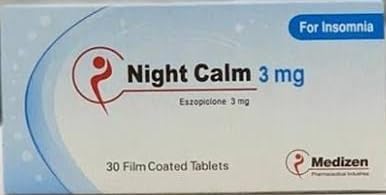
Description
Trade name:
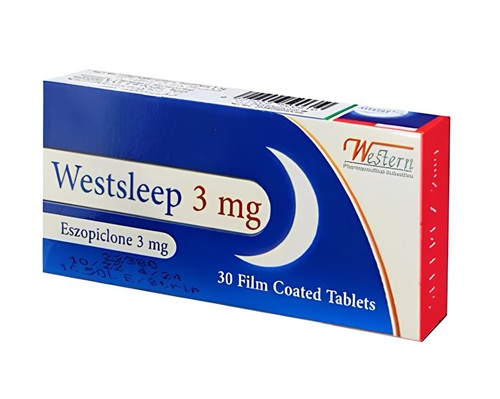
Night Calm
Compound:
Each tablet contains:
Eszopiclone 3 mg
Auxiliary components:
Povidone, microcrystalline cellulose, sodium croscarmellose, lactose monohydrate, magnesium stearate, talc.
Properties:
Pharmacological action: hypnotic, sedative.
It is a benzodiazepine receptor agonist. Interacts with central receptors (omega1 and omega2 benzodiazepine receptor subtypes) of the macromolecular GABA-benzodiazepine-chlorionophore complex and does not interact with peripheral benzodiazepine receptors. Increases the sensitivity of GABA receptors to the mediator (GABA), which causes an increase in the frequency of opening of channels in the cytoplasmic membrane of neurons for incoming chloride ion currents. As a result, there is an increase in the inhibitory effect of GABA and inhibition of interneuronal transmission in various parts of the central nervous system.
Indications:
Sleep disorders (difficulty falling asleep, frequent night and/or early morning awakenings), including situational, short-term, chronic insomnia; secondary sleep disorders in mental disorders.
Method of administration and dosage:
The recommended dose is 1 mg per day. The dose can be increased to 2 mg or 3 mg.
The maximum daily dose is 3 mg.
Contraindications:
Hypersensitivity, severe respiratory failure, pregnancy (especially I and III trimester), breastfeeding, age under 18 years.
Precautions:
Due to the possibility of drug dependence, long-term use may be prescribed by a physician in exceptional cases. If insomnia does not disappear within 4 weeks, the attending physician should be informed. The likelihood of addiction, physical or psychological dependence increases if the prescribed dosage is not followed or the duration of treatment is more than 4 weeks.
The withdrawal should be done gradually, since sudden cessation of treatment may result in resumption of insomnia, frequent awakenings, headaches and muscle pain, anxiety, agitation, absent-mindedness, and irritability.
Paradoxical reactions are more common in elderly patients. If paradoxical reactions occur, zopiclone should be discontinued.
The day after taking zopiclone, you should avoid driving a car and engaging in potentially dangerous activities that require increased attention and quick reactions. During treatment with eszopiclone, you should refrain from drinking alcoholic beverages or taking medications containing alcohol.
Side effects:
From the nervous system and sensory organs: drowsiness, lethargy, fatigue, headache, dizziness, irritability, confusion (more often in the elderly), depressed mood, muscle weakness, impaired coordination of movements, diplopia, memory impairment, paradoxical reactions (increased insomnia, nightmares, nervousness, agitation, aggressiveness, fits of anger, hallucinations).
Others: bitter or metallic taste in the mouth, dry mouth, nausea, vomiting, skin allergic reactions, changes in libido, anterograde amnesia.
Storage method:
At a temperature not exceeding 30 degrees.