
Description
Trade Name:
Mellitofix Met
Composition:
Each tablet contains:
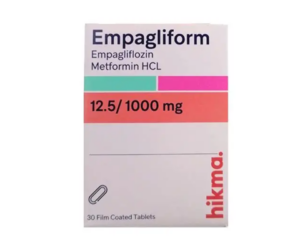
Empagliflozin 12.5 mg
Metformin hydrochloride 500 mg
Inactive ingredients:
Starch, copovidone, magnesium stearate.
Properties:
Mellitofix Met combines two hypoglycemic drugs designed to improve glycemic control in patients with type 2 diabetes mellitus, the mechanism of action of which complements each other: empagliflozin, an inhibitor of sodium glucose cotransporter 2 (SGLT2), and metformin hydrochloride. representative of the biguanide class.
Empagliflozin improves glycemic control in patients with type 2 diabetes mellitus by reducing the reabsorption of glucose by the kidneys. The amount of glucose excreted by the kidneys through this glucuretic mechanism depends on the concentration of glucose in the blood and the glomerular filtration rate (GFR). Inhibition of SGLT2 in patients with type 2 diabetes mellitus and hyperglycemia results in excess urinary glucose excretion.
Metformin belongs to the group of biguanides, have hypoglycemic properties and help lower blood glucose levels both on an empty stomach and after meals. It does not stimulate the production of insulin, therefore, does not lead to the development of hypoglycemia.
Indications:
Treatment of type 2 diabetes in adults as an adjunct to diet and exercise regimen:
– if the use of the maximum tolerated dose of metformin alone is not enough;
– if the use of metformin in combination with other drugs for the treatment of diabetes does not provide sufficient glycemic control;
– if patients are already receiving therapy with a combination of empagliflozin and metformin as separate drugs.
Dosage and administration:
The recommended dose is 1 tablet twice a day. The dose is adjusted individually based on the patient’s current regimen, efficacy and tolerability of the recommended daily dose of 10 mg or 25 mg empagliflozin, while not exceeding the maximum recommended daily dose of metformin 2000 mg.
Contraindications:
Hypersensitivity to the active substances or to any of the excipients;
– any type of metabolic acidosis;
– diabetic coma;
severe renal insufficiency (GFR <30 ml / min);
– acute conditions that can change kidney function, such as dehydration, severe infection, shock;
– acute or chronic diseases that can cause tissue hypoxia: heart or respiratory failure, recent myocardial infarction, shock;
– liver failure, acute alcohol intoxication, alcoholism.
Warnings and precautions:
Lactic acidosis is a very rare but serious complication associated with a metabolic disorder, most often occurs in cases of acute deterioration of kidney function, cardiorespiratory disease or sepsis.The accumulation of metformin occurs with acute deterioration of kidney function and increases the risk of developing lactic acidosis.
In case of dehydration (due to severe diarrhea or vomiting, fever or reduced fluid intake), you should temporarily stop using metformin and consult a doctor.
Before starting the use of empagliflozin, the patient’s history should be considered for the presence of factors that may indicate a tendency to ketoacidosis.
Patients with low beta-cell function (eg, type 2 diabetes mellitus with low C-peptide levels, latent autoimmune diabetes in adults, or a history of pancreatitis) are at high risk of ketoacidosis.
Side effects:
The most commonly reported adverse reactions in clinical studies were hypoglycemia (when used with insulin and/or sulfonylurea), urinary tract infections, genital infections, and frequent urination.
Storage:
Store at a temperature not exceeding 30 .
Package:
The cardboard box contains 1, 2 or 3 blisters of 10 tablets, paper instructions.