Description
Trade name:
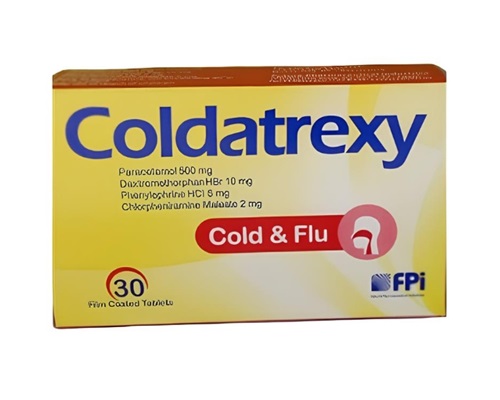
Coldatrexy
Compound:
Each tablet contains:
Paracetamol 500 mg
Dextromethorphan hydrobromide 10 mg
Phenylephrine hydrochloride 5 mg
Chlorpheniramine maleate 2 mg
Auxiliary components:
Microcrystalline cellulose, citric acid anhydrous, sodium citrate anhydrous, povidone K 30, sodium starch glycolate, pregelatinized starch, magnesium stearate, opadryium II white.
Properties:
They are determined by the components included in the composition:
Paracetamol has an analgesic and antipyretic effect by suppressing the production of physiologically active substances prostaglandins in the central nervous system.
Phenylephrine has a moderate vasoconstrictive effect, reduces swelling and redness (hyperemia) of the mucous membrane of the nasal cavity and nasopharynx by stimulating alpha1-adrenergic receptors.
Chlorpheniramine blocks special proteins (H1-histamine receptors), eliminates allergic symptoms, has a moderate sedative effect, constricts blood vessels, eliminates swelling and hyperemia of the mucous membrane of the nasal cavity, nasopharynx and paranasal sinuses.
Dextromethorphan inhibits the excitability of the cough center and suppresses cough, regardless of its origin. It is effective against dry cough of any origin, including that arising from mild irritation of the pharynx or bronchi caused by a cold.
Indications:
Coldatrex is indicated for the treatment of sinus pain and cold and flu symptoms.
Method of administration and dosage:
Adults and children over 16 years of age:
Take 2 tablets 3-4 times daily.
The tablet should be swallowed whole: do not dissolve, break or chew.
Do not take more than 8 tablets per day.
The drug is not intended for use in children under 16 years of age.
The course of treatment without a doctor’s prescription is no more than 7 days.
Contraindications:
Children under 16 years of age.
Individual intolerance to the components of the drug.
Pregnancy and lactation.
Taking monoamine oxidase inhibitors (MAOIs), which include antidepressants, psychiatric drugs, and drugs to treat Parkinson’s disease, or if less than 2 weeks have passed since stopping taking this group of drugs.
Taking other paracetamol-containing medications or other medications containing sympathomimetic decongestants.
Productive cough with a lot of sputum.
Difficulty urinating due to an enlarged prostate gland.
Liver diseases.
Cardiovascular diseases.
Persistent or chronic cough caused by smoking, asthma or emphysema. Chronic bronchitis and other respiratory diseases.
Diabetes mellitus.
Hypertension.
Glaucoma.
Thyroid diseases.
Pheochromocytoma.
Severe renal failure.
Precautions:
Do not exceed the recommended dose.
In case of overdose, seek immediate medical help or call an ambulance. Timely medical help is necessary for both adults and children, even in the absence of any symptoms or signs of overdose.
The medicine contains paracetamol, which can cause severe liver damage in the following cases:
When taking more than 4000 mg of paracetamol per day; when taking in combination with other paracetamol preparations; when taking 3 or more servings of alcoholic beverages per day daily in parallel with Coldatrexy treatment.
If you have a severe sore throat for more than 2 days, accompanied by fever, headache, rash, nausea or vomiting, consult a doctor immediately.
Before starting treatment, be sure to consult your doctor if you are taking warfarin, as well as tranquilizers or sedatives.
The drug Coldatrex may cause drowsiness, so it is not recommended to drive vehicles or operate machinery during treatment.
If there is no improvement or you feel worse after 3 days, you should consult a doctor.
Side effects:
Paracetamol may cause allergic skin reactions (blisters, rash, reddening of the skin). If these occur, stop taking the medicine and seek medical help.
Severe drowsiness or increased excitability, especially in children, sleep disturbances.
Increased blood pressure.
Nausea, vomiting.
Dizziness, headache,
Closed-angle glaucoma, pupil dilation (mydriasis), increased intraocular pressure.
Rapid heartbeat (tachycardia), sensation of heartbeat, dry mouth, constipation, abdominal pain, diarrhea.
Increased activity of liver enzymes
Difficulty urinating.
Bronchospasm in patients sensitive to aspirin and other nonsteroidal anti-inflammatory drugs.
Impaired liver function.
Storage method:
At a temperature not exceeding 30 degrees in a dry place.
Package:
The cardboard box contains paper instructions and 3 blisters of 10 tablets.